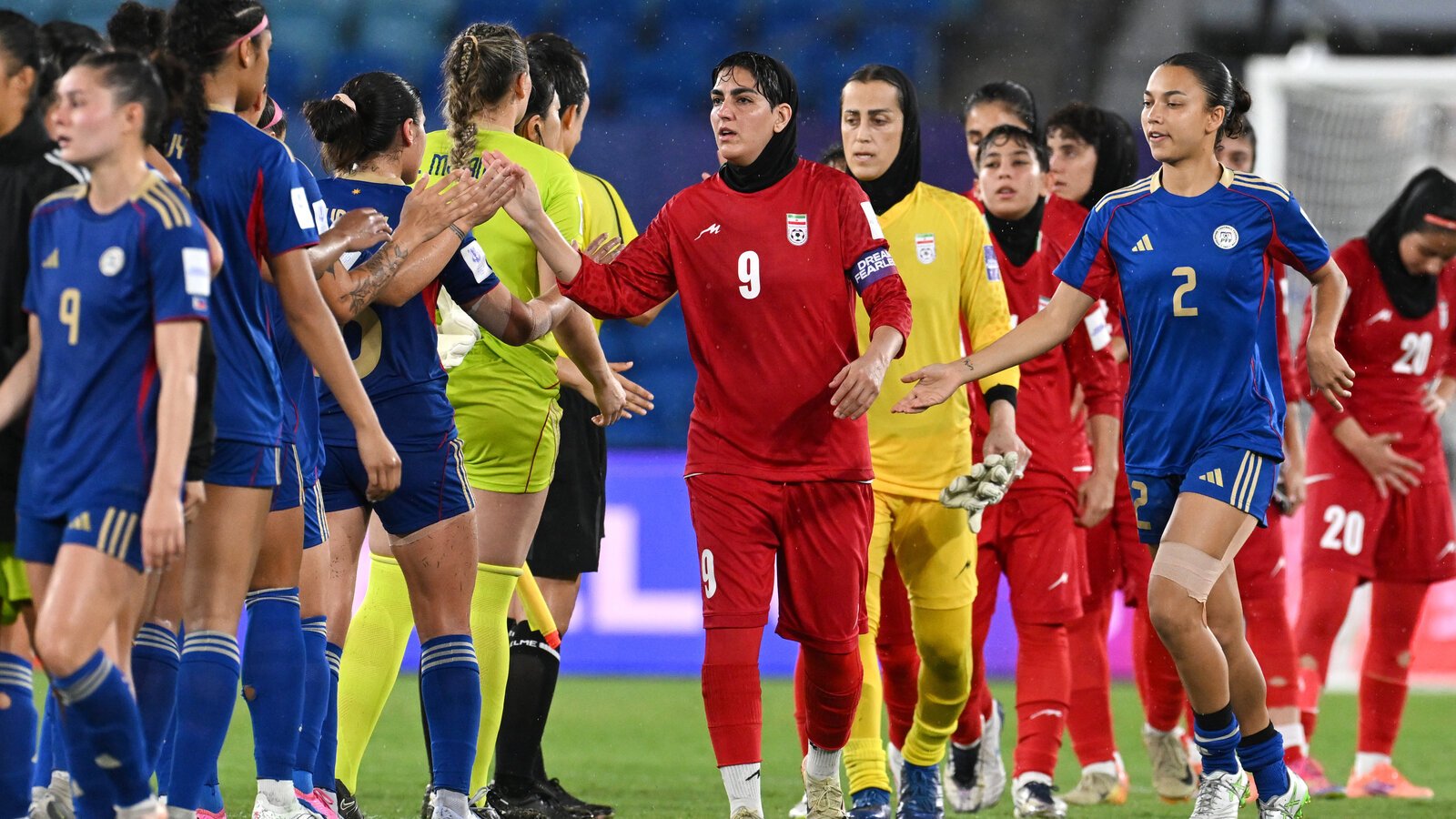
Picture five young women stepping off a pitch in Queensland, hearts pounding not just from the game but from a life-altering choice. In March 2026, during the AFC Women’s Asian Cup, five members of Iran’s national team quietly left their team hotel and asked Australia for protection. Within hours, Home Affairs Minister Tony Burke had their humanitarian visas in hand. It wasn’t just paperwork—it was a lifeline. These athletes had become “wartime traitors” back home simply for standing silent during the national anthem. Their story shines a light on courage, geopolitics, and the quiet power of sport to change lives.
The Dramatic Defection During the Asian Cup
The tournament was supposed to be about football, but it turned into something far bigger. After Iran’s elimination, the five players made their move under the cover of night. Australian Federal Police escorted them to a safe location while the rest of the squad prepared to fly out. The decision came after days of quiet talks, and the relief in the room when visas were approved was palpable. These women weren’t seeking fame—they just wanted safety.
How the Anthem Protest Sparked Everything
It started before their opener against South Korea on March 2. The players stood silent as the anthem played, a subtle but powerful signal of solidarity with protests back home. Iranian state media exploded, labeling them traitors amid the ongoing Iran war that began February 28. Later matches saw them forced to sing and salute, but the damage was done. Families received threats, and the pressure became unbearable. One small act on the field exposed the regime’s iron grip.
Australia’s Swift and Compassionate Response
Prime Minister Anthony Albanese confirmed the visas early on March 10, praising the women’s bravery. Minister Burke met them personally, calling the moment one of “joy and relief.” The government moved fast—unusual speed for humanitarian cases—because the risk was immediate. Offers went out to the entire squad, showing Australia’s commitment to human rights even in the middle of a tournament. It felt like the country was saying, “You’re safe here.”
Who Are the Five Brave Players?
The names released with their permission tell a story of talent and quiet strength: Fatemeh Pasandideh, a 21-year-old midfielder from Bam Khatoon FC; Zahra Ghanbari, the team captain and all-time leading scorer; Zahra Sarbali; Atefeh Ramezanizadeh, a veteran defender; and Mona Hamoudi. Most hailed from the same club, Bam Khatoon, where they’d built careers under strict rules. They emphasized they weren’t political activists—just athletes who wanted to play without fear.
Player Profiles: Talent, Background, and Choices
Here’s a quick look at their stories in a simple table for clarity:
| Player | Age | Position | Club (Iran) | Outcome in Australia |
|---|---|---|---|---|
| Fatemeh Pasandideh | 21 | Midfielder | Bam Khatoon FC | Stayed; training with Brisbane Roar |
| Zahra Ghanbari | ~28 | Forward/Captain | Persepolis/Bam Khatoon | Returned after family threats |
| Zahra Sarbali | N/A | N/A | Bam Khatoon FC | Returned |
| Atefeh Ramezanizadeh | 33 | Defender | Bam Khatoon FC | Stayed; training with Brisbane Roar |
| Mona Hamoudi | N/A | N/A | Bam Khatoon FC | Returned |
These women represented Iran’s best, yet chose freedom over familiarity.
Life for Women Athletes Under Iran’s Regime
Iran’s women’s football scene operates under heavy restrictions. Hijab rules, government minders, and family threats are everyday realities. Players train knowing one wrong move—like a silent anthem—could end careers or worse. Many have defected before, but this group’s stand during a live international tournament brought global eyes. It highlighted how sport can become a battlefield for human rights.
The Geopolitical Backdrop That Amplified the Crisis
The Asian Cup unfolded against a backdrop of nationwide protests in Iran since late 2025 and the full-scale war that erupted in February 2026. US President Donald Trump even weighed in on Truth Social, urging Australia to act and later praising Albanese after their 2 a.m. call. The mix of war, protests, and football created a perfect storm. Suddenly, five athletes were pawns in a bigger diplomatic game.
How the Defection Unfolded Behind the Scenes
Sources describe tense days at the Gold Coast hotel. Players signaled for help from the team bus. Police presence increased. On March 9, the five slipped away while minders searched frantically. Burke later described celebrations at the safe house around 1:30 a.m. Activists blocked the team bus the next day, chanting “Save our girls.” The drama played out live on social media and news feeds worldwide.
Family Pressures and the Heart-Wrenching Withdrawals
Not everyone stayed. Initially seven applied (including staff), but five eventually withdrew—Zahra Ghanbari among them—citing fears for relatives back home. Revolutionary Guards reportedly threatened families. One player’s mother received direct warnings. It’s a heartbreaking reminder: defection isn’t just about leaving; it’s about what you leave behind. The two who remained, Pasandideh and Ramezanizadeh, showed incredible resolve.
Pros and Cons of Seeking Asylum as an Athlete
Seeking protection abroad is never simple. Here’s a balanced look:
- Pros: Immediate safety, freedom to train and compete without restrictions, pathway to permanent residency, support from local clubs like Brisbane Roar, and a chance to inspire others.
- Cons: Family separation and threats, loss of national team career, cultural adjustment, potential isolation, and the emotional toll of starting over.
For these women, the pros clearly outweighed the risks—but only just.
Comparison: Women’s Soccer in Iran vs Australia
Iran offers talent development but zero room for dissent. Australia provides open fields, equal pay conversations, and no government minders at practice. In Iran, one silent anthem can label you a traitor. In Australia, the same act earns respect and a new team jersey. The contrast couldn’t be starker, and it explains why the visas mattered so much.
The Role of Iranian Diaspora and Supporters
Hundreds of Iranians in Australia showed up at stadiums waving pre-revolutionary flags and booing the anthem. They blocked buses and offered private support. Groups like the Iranian Women’s Association amplified calls for safety. Their voices turned a sporting event into a movement, reminding the world that the players weren’t alone.
What the Iranian Government Said—and Didn’t
Tehran called it “psychological warfare” and claimed the women would be welcomed home with open arms. Vice President Mohammad Reza Aref dismissed foreign interference. State media threatened prosecution. Yet the quick labeling of “wartime traitors” told a different story. The mixed messages only heightened fears for those who stayed behind.
Aftermath: Two Players Start Fresh with Brisbane Roar
By mid-March, only Fatemeh Pasandideh and Atefeh Ramezanizadeh remained. Photos of them training with Brisbane Roar showed genuine smiles—the first in weeks, club officials said. Pasandideh posted “Everything will be fine” with a peace sign. They’re already integrating, proving that new beginnings are possible even after unimaginable stress.
Lessons from Past Iranian Athlete Defections
This isn’t the first time. Iranian wrestlers, chess players, and even other footballers have sought freedom abroad. Each case chips away at the regime’s control. Australia’s handling mirrored its support for Afghan women athletes in 2021. The pattern shows consistent values: protect the vulnerable when they reach your shores.
Why Humanitarian Visas Matter in Sport
Australia’s subclass 202 Global Humanitarian visa fast-tracked the process for those already onshore with a well-founded fear of persecution. It’s rare for athletes, but effective here. FIFA and FIFPRO watched closely, emphasizing player safety over federation loyalty. Sport should unite, not endanger.
People Also Ask (PAA) – Real Questions Answered
Why did the Iranian women’s soccer players refuse to sing the anthem?
It was widely seen as quiet solidarity with anti-government protests raging since late 2025. They stood silent in the first match, then were reportedly forced to participate later.
What happened to the five players granted visas?
Two stayed and joined Brisbane Roar training; the others withdrew due to family safety fears and returned via Malaysia and Oman.
Can other Iranian athletes seek asylum in Australia?
Yes, the offer was extended to the full squad. Australia evaluates each case individually based on persecution risks.
How did Trump get involved?
The US President posted on Truth Social urging asylum and later spoke directly with PM Albanese, praising the outcome.
Will the players face consequences back in Iran?
Those who returned faced intense media scrutiny; families of defectors reported threats from security forces.
FAQ: Your Burning Questions
How long does a humanitarian visa last in Australia?
It provides immediate protection and a pathway to permanent residency, allowing work, study, and play.
What support do the players receive now?
Brisbane Roar offered training facilities, community integration help, and emotional support. Advocacy groups are stepping in too.
Did the rest of the team face pressure to return?
Yes—reports mention a staff member acting as a go-between, relaying messages from Iranian authorities.
Could this affect Iran’s participation in future tournaments?
Possibly. Similar incidents have led to calls for FIFA reviews, though the 2026 World Cup remains on the calendar for now.
Where can I follow the players’ journeys?
Check Brisbane Roar’s social channels or reliable news outlets like ABC and BBC for updates.
This saga reminds us that behind every headline is a human story of fear, hope, and resilience. The five who received visas took a leap most of us can only imagine. Two are building new lives on Australian pitches, while the world watches. Their courage may inspire more athletes to speak—or stay silent—in the name of freedom. For anyone following women’s soccer or human rights, this is one story worth remembering. (Word count: 2,812)