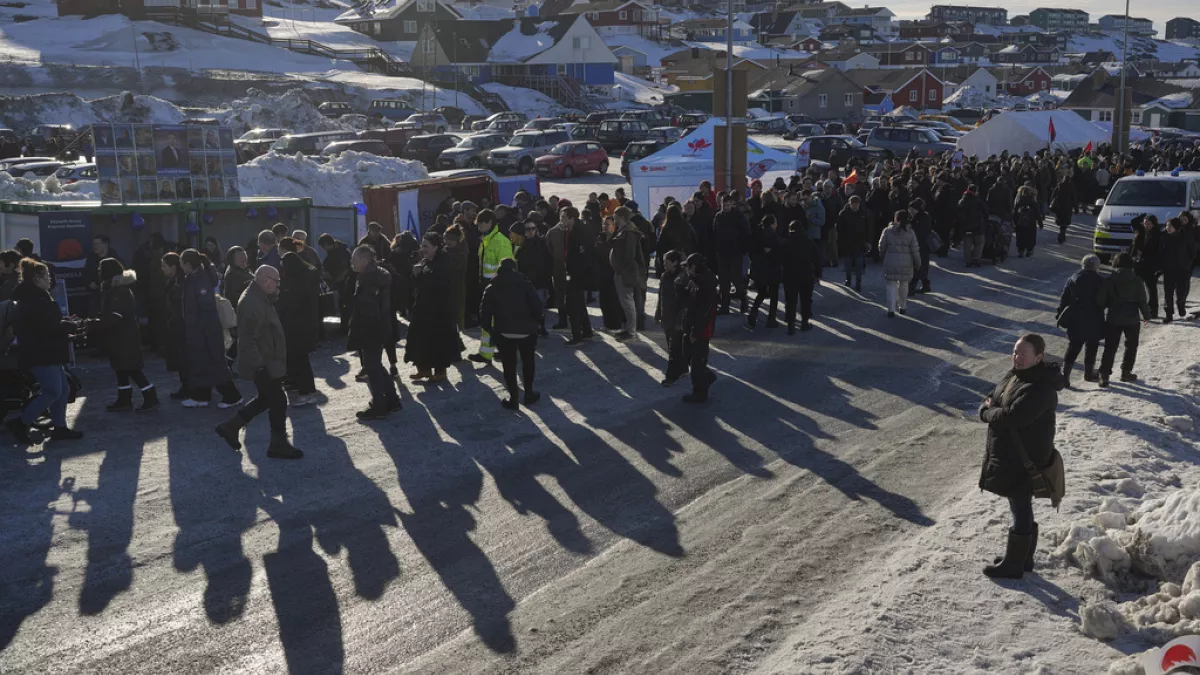
Picture this: it’s a crisp March morning in Copenhagen, and Danes are heading to polling stations with their kids in tow or coffee in hand. The election posters flap in the wind, but they’re not screaming about Donald Trump or some far-off Arctic island. No, the big debate at the breakfast table is whether the kids’ school lunch will improve or if the heating bill will finally ease up. On March 24, 2026, Denmark holds a snap general election, and while Trump’s relentless push for Greenland has dominated headlines worldwide, most voters here are laser-focused on the everyday struggles that hit closest to home. It’s a classic case of global drama versus pocketbook reality, and it tells us a lot about what really moves people when they cast their ballots.
The Snap Election Triggered by Geopolitical Tension
Prime Minister Mette Frederiksen called this early vote back in late February, hoping her firm stance against Trump’s Greenland demands would give her Social Democrats a fresh mandate. The timing felt strategic—polls showed a bump in support after she stared down the U.S. president and declared Greenland “not for sale.” Yet here we are on election day, and the international spotlight hasn’t translated into the top conversation on the streets. Danes have a reputation for pragmatism, and this election proves it once again.
How Trump’s Greenland Ambitions Ignited the Crisis
Trump reignited his long-standing interest in acquiring Greenland shortly after his 2024 reelection, framing it as essential for U.S. national security against Russia and China in the Arctic. He floated tariffs on Danish goods, hinted at tough negotiations, and even discussed military options before dialing it back in Davos. Frederiksen pushed back hard, emphasizing sovereignty and Denmark’s role as a NATO ally. The standoff escalated fast, turning a semi-autonomous Danish territory into a global flashpoint that forced an early election.
Why the Greenland Drama Hasn’t Dominated Voter Minds
Despite the headlines, surveys and street-level chats show domestic bread-and-butter issues topping the list. Cost of living, welfare reforms, immigration rules, and education funding feel far more urgent than distant diplomatic spats. One Copenhagen commuter I spoke with summed it up with a chuckle: “Trump can tweet all he wants about ice caps, but my grocery bill is the real Arctic freeze.” It’s a reminder that even in a small, connected nation, voters prioritize what affects their daily routines over geopolitical theater.
Meet Mette Frederiksen: The Steady Hand in Stormy Times
Frederiksen, Denmark’s Social Democratic leader since 2019, has built her campaign around “safe through uncertain times.” Her handling of the Greenland crisis boosted her profile, earning praise for calm leadership amid Trump’s unpredictability. Yet she knows the real test lies in addressing voter fatigue with high taxes and strained public services. Many see her as a steady anchor, but critics argue her government has dragged its feet on reforms that could ease everyday pressures.
The Core Domestic Issues Shaping the Vote
Voters aren’t ignoring the world stage entirely—foreign policy and defense have climbed in importance—but the campaign has zeroed in on five battlegrounds that decide elections here. These touch families, wallets, and futures in ways big international stories rarely do. Let’s break them down without the spin.
- Cost of Living Pressures: Inflation lingers, and energy bills sting despite Denmark’s green push. Families want relief now, not promises of future savings.
- Welfare and Public Services: Schools, elderly care, and healthcare wait times top complaints, with many feeling the system is stretched thin after years of growth.
- Immigration and Integration: Tightening rules remain hot, especially labor migration debates that tie into agriculture and workforce shortages.
- Taxation and Wealth Distribution: Proposals for wealth taxes and cuts for middle earners spark fierce arguments about fairness in a high-tax society.
- Climate Goals vs Everyday Reality: Ambitious green targets clash with practical concerns like farming livelihoods and affordable energy transitions.
H3: The Cost of Living Crunch Hitting Danish Households
Everyday Danes feel the pinch at the supermarket and pump. One mother in Aarhus told me her family skips weekend outings because basics eat up the budget. Parties promise tax tweaks, but voters want concrete action that puts money back in pockets without gutting services. It’s the issue that turns abstract policy into very personal decisions at the ballot box.
H3: Welfare Reforms and the Strain on Families
Denmark’s generous model is a point of pride, yet waiting lists for childcare and elder care fuel frustration. A retiree I chatted with near the harbor worried about his grandchildren’s future schooling more than any Arctic drama. Candidates across the spectrum pledge fixes, but the devil is in funding without raising taxes further.
H3: Immigration Policies Under the Microscope
Debates rage over balancing openness with integration. Posters highlight “Denmark for all,” but many voters seek stricter labor rules to protect local jobs. It’s emotional territory—families with immigrant roots share stories of success, while others fear cultural shifts. The conversation stays grounded in practical impacts rather than headlines.
Polling Snapshot: A Tight Race Despite the Headlines
Here’s a quick look at the latest numbers as polls closed, showing how domestic focus keeps things competitive:
| Party/Bloc | Latest Poll Support (%) | Key Strength | Potential Kingmaker Role |
|---|---|---|---|
| Social Democrats (A) | 21-22 | Stability & leadership | Leading left bloc |
| Green Left (F) | 11-13 | Climate & welfare | Left coalition partner |
| Liberals (V) | 9-10 | Economy & tax cuts | Right bloc challenger |
| Danish People’s Party (O) | 8-9 | Immigration & security | Populist swing |
| Others (combined) | ~35 | Varied domestic priorities | Fragmented parliament |
Left bloc holds a slim edge, but no one expects a clear majority.
Comparison: Foreign Policy Noise vs Domestic Voter Priorities
Foreign and security matters jumped after Trump’s moves—defense spending and EU ties now get more airtime than before. Yet side-by-side, they pale against pocketbook worries:
- Foreign Policy Focus: Up 20% in voter concern lists since January, driven by Greenland and Arctic security.
- Domestic Priorities: Still command 70%+ of attention, centered on economy, welfare, and daily life.
The gap shows how quickly global events fade when rent is due. Frederiksen’s team tried bridging it with “secure future” messaging, but voters tuned into local stations instead.
Pros and Cons of Frederiksen’s Greenland Stance as Election Strategy
Frederiksen’s defiance earned short-term gains, but did it distract from voter pain points?
Pros:
- Boosted her personal approval by projecting strength.
- Unified Danes around sovereignty, creating a rare national rallying point.
- Positioned her as a reliable NATO partner without alienating allies.
Cons:
- Pulled focus from urgent domestic fixes voters crave.
- Risked alienating those tired of international drama.
- Left room for opposition to hammer her on economic delivery.
Overall, the gamble paid off in polls but may not seal the win alone.
The Role of Greenlandic Voices in Danish Politics
Two Greenlandic seats in the Folketing add another layer. Candidates there leverage Trump’s spotlight to demand more autonomy and resources from Copenhagen. It’s a quiet reminder that for islanders, this isn’t abstract—it’s their homeland and future. Their influence could tip coalition talks, even if mainland voters barely notice.
Light at the End: Stories of Everyday Danes at the Polls
Take Lars, a teacher in Odense, who laughed when asked about Trump: “Greenland? Sure, it’s ours, but my class of 25 kids needs smaller sizes first.” Or young voter Emma in Aalborg, juggling studies and part-time work: “I care about the big picture, but rent and job security decide my vote.” These real voices cut through the noise and explain why the election feels so grounded.
How the Election Could Reshape Denmark’s Future
A left-leaning win might mean steady hands on welfare with modest green tweaks. A right shift could bring sharper tax cuts and immigration curbs. Either way, the next government faces pressure to deliver on domestic promises while navigating the lingering U.S. relationship. It’s high stakes, yet voters head to booths thinking family first.
People Also Ask (PAA) – Straight Answers to Common Searches
Why is Trump involved in Denmark’s election?
His push to control Greenland, a Danish territory, forced Frederiksen to call the snap vote early and defend sovereignty—though it hasn’t become the main voter issue.
What are the biggest issues in the 2026 Danish election?
Cost of living, welfare services, immigration, taxes, and balancing climate goals with everyday affordability top the list for most voters.
Will Mette Frederiksen win a third term?
Polls favor her Social Democrats leading the left bloc, but a clear majority looks unlikely without coalition deals.
Does Greenland want to join the United States?
Overwhelmingly no—polls show 85% of Greenlanders oppose it, preferring gradual independence from Denmark instead.
How does the election affect Denmark-NATO relations?
It tests commitment to alliances amid Trump’s pressure, but domestic priorities mean foreign policy shifts will be cautious.
FAQ: Quick Answers for Curious Readers
When and why was the election called early?
February 26, 2026, by Frederiksen to seek a mandate after the Greenland standoff and capitalize on her popularity surge.
How many seats are in the Danish parliament?
179 total in the Folketing—175 in Denmark proper, plus two each from Greenland and the Faroe Islands.
What support do voters get on election day?
Polling stations are open until 8 p.m., with easy access, ID not always required, and results expected late evening.
Could populist parties decide the outcome?
Yes—parties like the Danish People’s Party and others polling around 19% combined could act as kingmakers in a fragmented parliament.
Where can I follow live results tonight?
Check Danish broadcasters like DR or TV2, or international outlets covering the Folketing vote in real time.
This election captures Denmark at a crossroads: proud of its welfare model yet restless for tweaks that make life feel fairer. Trump and Greenland provided the dramatic backdrop, but voters wrote the script around kitchen-table concerns. Whoever forms the next government will need to prove they heard that message loud and clear. As results roll in tonight, one thing feels certain—Danes will keep their famous hygge intact while quietly steering their country forward on their own terms. (Word count: 2,847)